Uluwatu · · 2 min read
Uluwatu in the rainy season: what to do on a rainy day
Coming to Uluwatu between November and March? You've picked the rainy season — and that's not bad news. Bali sits just south of the equator and has two seasons: dry from April to October, and wet from November to March. Here's how the rain actually works, what to do when it pours, and where to eat while it passes.

How the rain really works
The rainy season rarely means grey skies for days. Rain usually comes as a short, heavy tropical downpour, followed by sunshine and steaming streets. January is the wettest month; December, February and March are a little kinder.
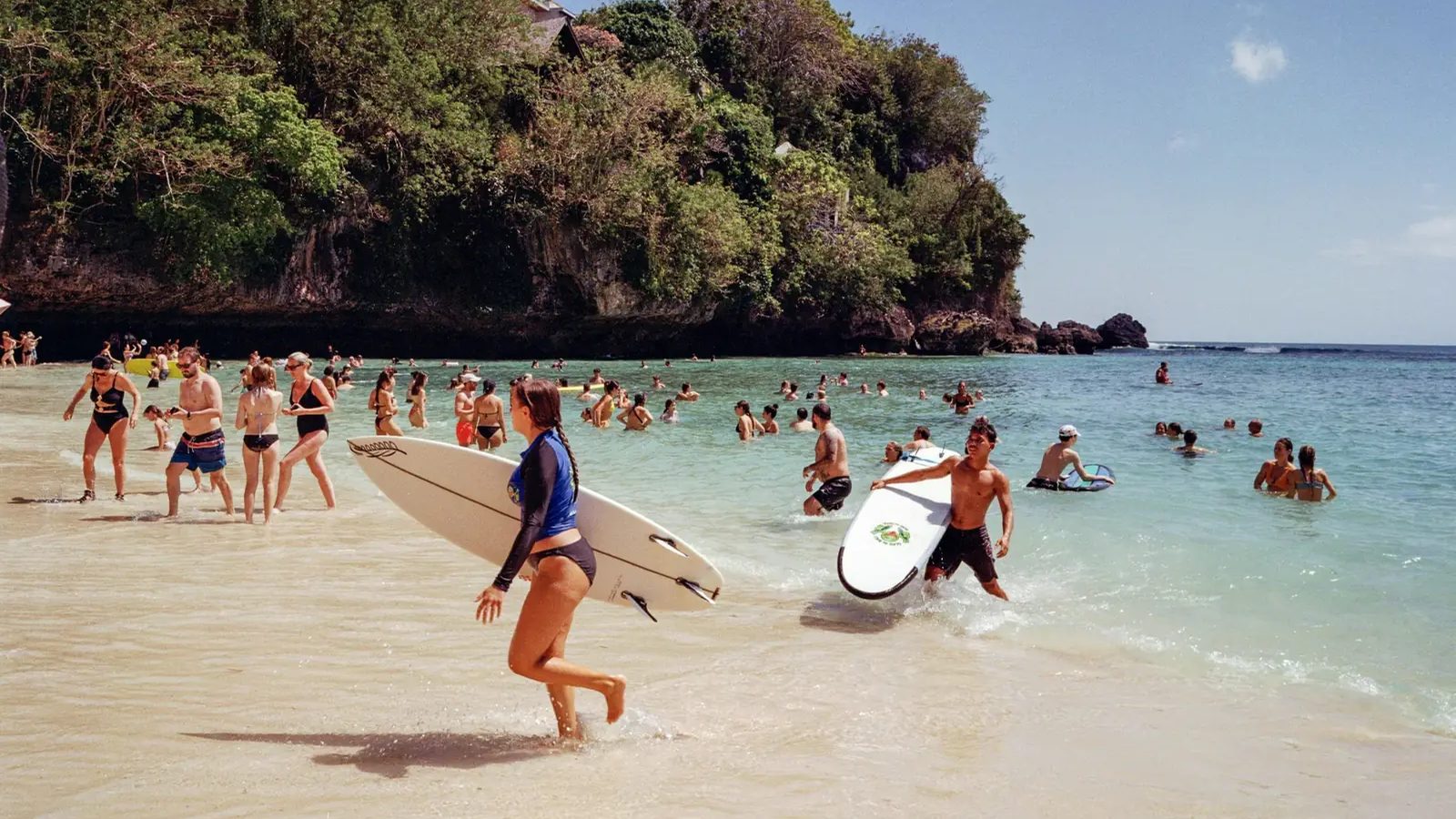
Many visitors say the Bukit Peninsula, where Uluwatu sits, is one of the sunniest places in Bali at this time of year.
The upside: fewer crowds
The rainy season comes with real perks: it's quieter, beaches that are packed in August have space again, and popular tables are easier to book.
Plan your day around the rain
- Go to the beach early. Mornings are often the clearest part of the day, so plan Padang Padang or Bingin before lunch. Padang Padang beach guide →
- Keep the afternoon flexible. If clouds roll in, that's your cue for a long lunch.
- Watch the sky at sunset. After the rain, Uluwatu sunsets can be spectacular — clean air and dramatic clouds. Best sunset spots in Uluwatu →
- Pack for it: a light rain jacket, a dry bag for your phone and sandals with grip — the stairs down to the beaches get slippery when wet.
Surfing in the rainy season
The seasons flip the surf. In the wet season the wind swings round to the west and blows onshore at Uluwatu's famous west-coast breaks, while the east-coast breaks such as Keramas and Nusa Dua come to life. Closer to home, Green Bowl on the southern coast of the Bukit is known as a wet-season wave.
Rainy day? Make it a long lunch
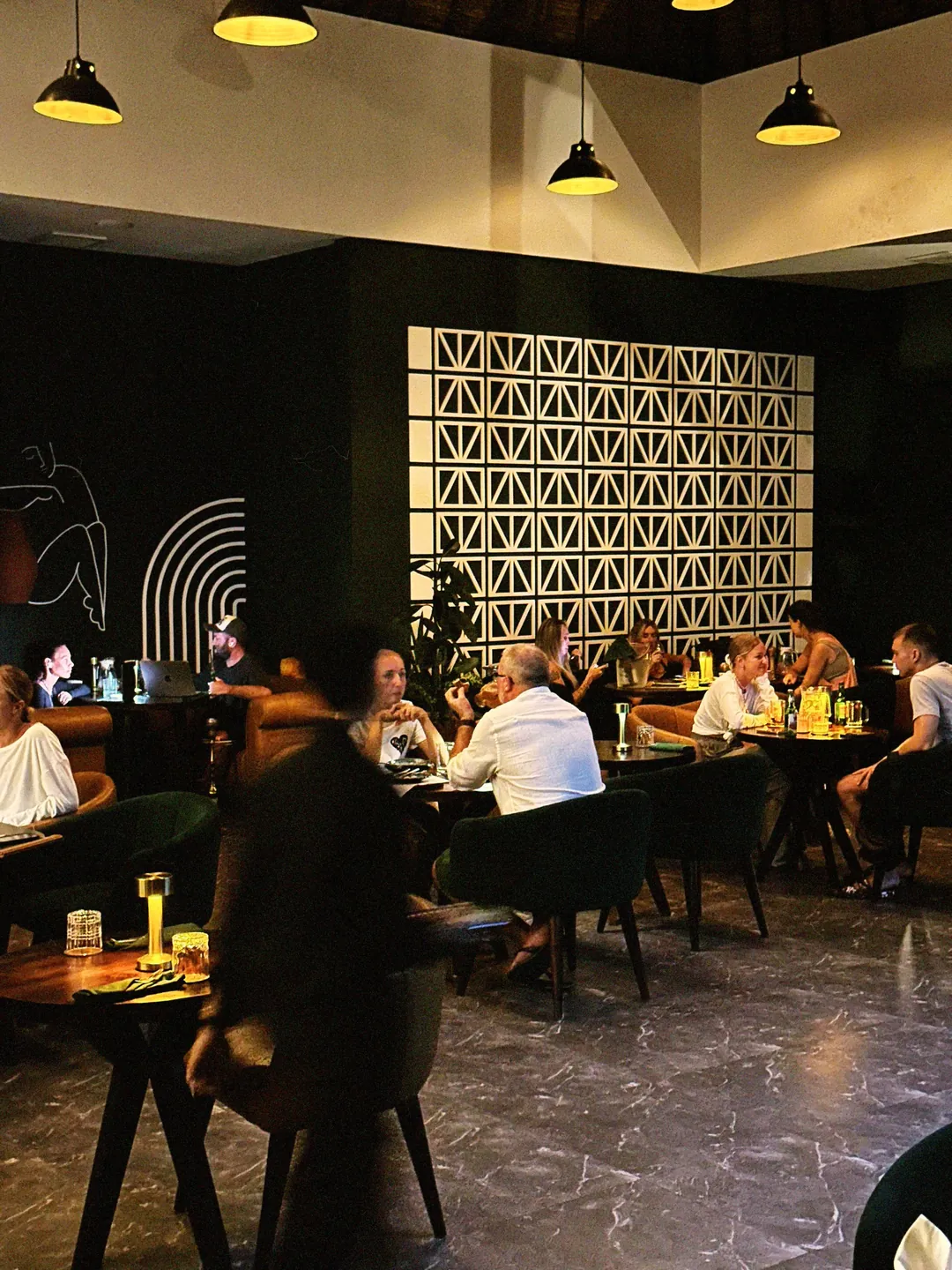
When the sky opens, the best plan in Uluwatu is a slow meal. Tarragon, the only Georgian restaurant in Uluwatu, opens daily at 2 PM, a minute's walk from the Padang Padang parking lot.
Georgia is a small country in the Caucasus, between Europe and Asia, and its food is made for exactly this kind of afternoon — warm, generous and meant to be shared:
- Adjarian khachapuri with egg and butter — the famous cheese boat, straight from the oven. More about khachapuri →
- Khinkali — hand-twisted dumplings full of hot broth. How to eat khinkali →
- Kharcho — a rich Georgian veal soup with plum, tomatoes, spices and herbs, made for a cool, wet day.
- Shashlik from the grill — the rain doesn't stop our charcoal grill. Our grill →


To drink: a glass of red with the shashlik, a Tarragon Margarita, or alcohol-free Tropical Breeze with fresh pineapple and passion fruit. By the time the plates are empty, the sun is usually back.
FAQ
When is the rainy season in Uluwatu?
From November to March, with January usually the wettest month.
Does it rain all day?
Rarely. Most rain comes in short, heavy showers, with dry and sunny spells in between.
Is Uluwatu worth visiting in the rainy season?
Yes. There are fewer crowds and quieter beaches, and the Bukit is known for its sunny breaks.
Can you surf Uluwatu in the rainy season?
The west-coast breaks get onshore winds, so most surfers head to the east coast. Green Bowl on the southern Bukit is a wet-season option nearby.
Where can I eat when it rains in Uluwatu?
Tarragon, near Padang Padang, is open daily from 2 to 11 PM — a long Georgian lunch is the perfect way to wait out the rain.